ملخص
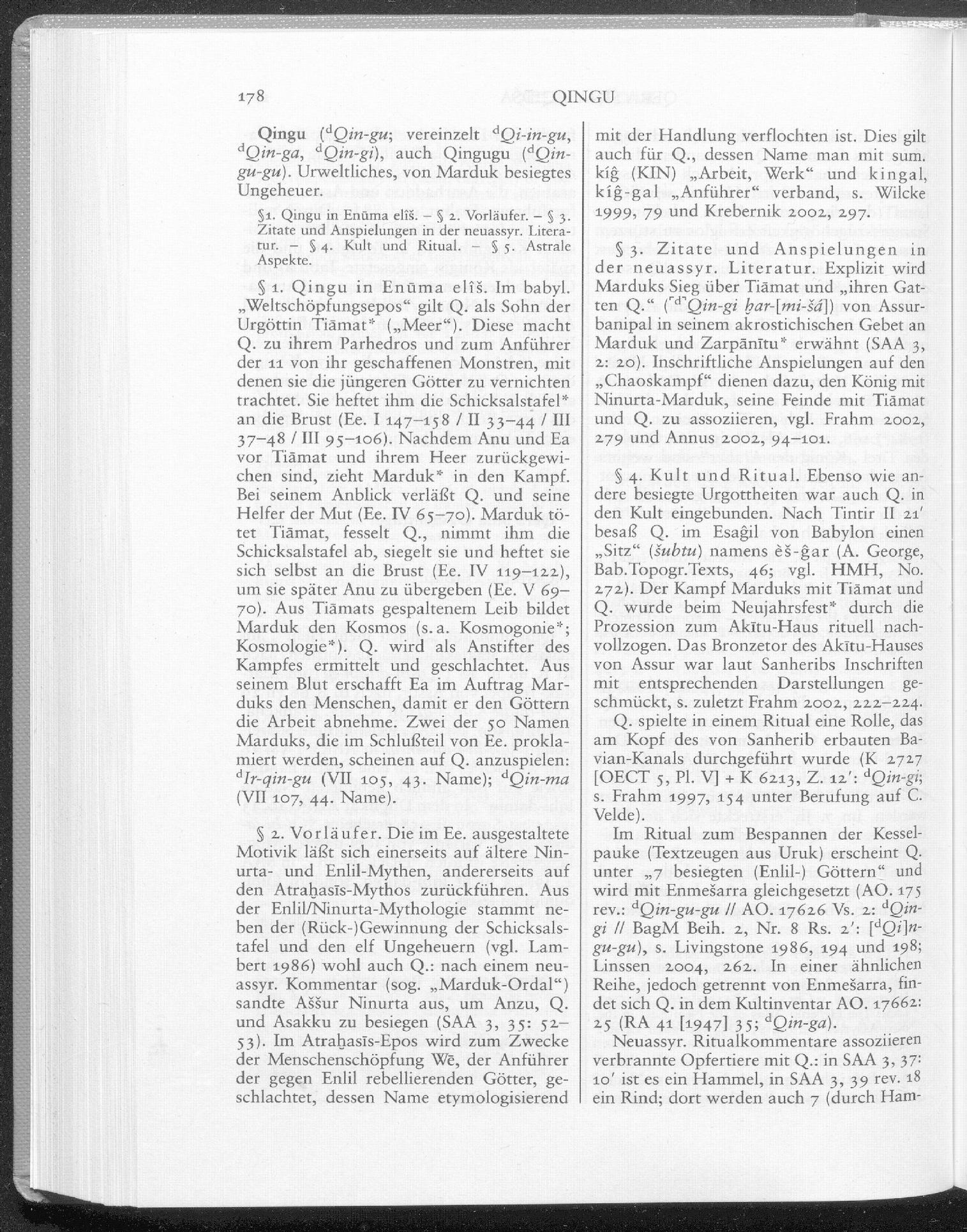
كينغو «كِنْگُو»، ويكتب أيضاً قينغو «قِنْگُو»، هو قائد جيش تيامات وزوجها بعد أبسو في ملحمة الخليقة البابلية «إِينُوما إِيلِيش»، ومن دمه يُصنع الإنسان.
بعد أن يقتل إيا أبسو، يلوم بعض أبناء تيامات أمهم على سكوتها، فتقبل الحرب وتجمع جيشها. ثم ترفع كينغو فوق أتباعها: تجلسه على عرش، وتسميه زوجها، وتوكل إليه قيادة القتال، وتثبت لوح المصائر على صدره، وتقول إن أمره لا يُرد. فيبدأ كينغو منزلته الجديدة بأن يقرر مصائر أتباعها. لكن اللوح لا يضمن النصر: يقتل مردوخ تيامات ويقيد جيشها، ويأسر كينغو وينزع اللوح منه، ثم يختمه ويضعه على صدره. وبعد الحرب يدبر مردوخ صنع البشر ليحملوا عمل المعبودات، ويقول إيا إن واحداً من جماعة تيامات لا بد أن يموت. يسأل مردوخ المجلس: من الذي دفعها إلى الحرب؟ فيجيبون: كينغو. فيُقيد ويُساق إلى إيا، وتُقطع أوعيته، ويصنع إيا الإنسان من دمه، ويجعل الخدمة نصيبه.
والفكرة التي تدور عليها القصة انتقال كينغو من مالك للأمر إلى مادة لخادم. كان يحمل اللوح الذي يقرر المصائر، فصار أسيراً يُصنع من دمه من يحمل العمل عن المعبودات. وبهذا تعلل القصة لماذا يعمل الإنسان: لأنه خُلق من دم المهزوم الذي حُمّل ذنب الحرب.
أمّا الاسم فنقرؤه في اللسان العربي هكذا: Qingu «قِنْگُو» أوله «قِن»، والقِنّ في العربية العبد الخالص، الذي مُلك هو وأبواه، والقاف تبقى قافاً في الأكدية. ومن المادة نفسها «القِنية»، أي الملك والاقتناء. فاسم كينغو يجمع الطرفين اللذين تدور عليهما قصته: ملكَ الأمر حين اقتنى لوح المصائر، ثم العبودية التي صارت نصيب البشر المصنوعين من دمه.
الجذر اللغوي
| الصيغة | كيف نقرؤها بالعربية؟ | ملاحظة |
|---|---|---|
Qingu (قِنْگو) |
قِنْ-گُ | الحرف g (گ) قريب من الجيم المصرية، وليس غيناً عربية |
Kingu (كِنْگو) |
كِنْ-گُ | كتابة أخرى للاسم نفسه؛ منها شاعت «كينغو» |
qin-gu (قِنْ-گُ) |
قِنْ-گُ | النقل المقطعي للكتابة المسمارية الأكثر شيوعاً |
qin-gi (قِنْ-گِ) |
قِنْ-گِ | صيغة تظهر في طقس القناة وترنيمة آشوربانيبال |
يسجل كْرِيبِرْنِيك أيضاً qi-in-gu (قِي-إِنْ-گُ) وqin-ga (قِنْ-گَ). وتسبق الاسم أحياناً علامة التصنيف المنقولة بالرمز d (دي)؛ وهي غير منطوقة وتدرج الاسم في أسماء المعبودات.
تلتقي «قِنّ» و«قِنية» مع بداية الاسم في القاف والنون، ومع قصته في معنيي الملك والخدمة، والمقال البابلي في المشروع يجعل «قنّ» قراءته الأولى. أما گ الأخيرة فلا مقابل لها في «قِنّ» ولا في «قِنية»، و«قِنّ» يضاعف النون و«قِنية» يزيد الياء؛ فهذا ما يبقى على القراءة أن تفسره. وفي «كنّ» تقابل الكاف القاف، ويتكرر فرق النون المشددة وغياب گ. أما «قِنقِن» فيحفظ بناءً أطول يقتضي تفسير النون الزائدة ومقابلة القاف الثانية بگ.
ويقترح كريبرنيك صلة Qingu (قِنْگو) بكلمة العمل السومرية kíĝ (كِنگ)، التي تمثلها علامة الفهرسة KIN (كِن)، وبـkingal (كِنْگال) «القائد أو المسؤول». ويسجل المعجم kingal (كِنْگال) اسماً لصاحب سلطة على الأرض وجامع للعمال. تجمع الفكرة بين العمل والقيادة، وهما ظاهران في القصة، لكنها لا تجعل أجزاء الاسم كلها واضحة الاشتقاق.
| اللفظ | المعنى المعجمي أو المقترح | ماذا يضيف إلى القراءة؟ |
|---|---|---|
| القِنّ | المملوك الخالص، وفي تعريفات المعجم من مُلك هو وأبواه | القراءة الأولى في المقال البابلي؛ تربط دم كينغو بخدمة البشر، مع أن الشخصية تبدأ قائداً لا عبداً |
| القِنية، اقتنى | الملك واتخاذ الشيء لنفسه | المعجم نفسه يصل القِنّ بالقنية في أحد تفسيراته؛ تقارن امتلاك اللوح |
kíĝ (كِنگ)، وعلامتها KIN (كِن)، وkingal (كِنْگال) |
العمل؛ القائد أو المسؤول | تفسير كريبرنيك يجمع القيادة والعمل؛ KIN (كِن) معرّف علامة لا نطق مستقل للاسم |
| كَنَّ، الكِنّ | ستر الشيء وما يقي من الحر والبرد | يحفظ بعض الأصوات، لكن وصف كينغو بـ«المتحكم الخفي» تأويل المقال، لا معنى اسمه في الملحمة |
| القِنقِن، القُناقِن | الخبير بالماء تحت الأرض وباستخراجه | تقارن معرفة الماء بشاهد القناة؛ بناء «قِنقِن» يختلف عن قِنْگو بزيادة النون الأخيرة والقاف الثانية |
يجمع معجم لين، قنن معاني الرق، وقمة الجبل، وأعلى الشيء، وبعض أجزاء الحبل؛ فلا تختزل المادة في «السيطرة». ويذكر القِنقِن الخبير بالماء، وينقل عن ابن بري أنه معرّب من الفارسية، لا لفظ عربي الأصل عنده. كما يورد خبراً عن ابن عباس يصف هدهد سليمان بهذه الخبرة، فيحفظ المعجم صلة بين معرفة الماء واستخراجه.
ويشرح مدخل كنن الستر والوقاية، ومنه تقترح المقالة البابلية فهم كينغو قوةً متحكمة مستترة. لا يصفه هذا المعنى المعجمي في الملحمة؛ ففيها قيادة معلنة ولوح على الصدر وأمر نافذ. وتقارن المقالة أيضاً «قوي» بالسلطة، لكنها مقارنة في المعنى لا تستبقي النون وگ من الاسم.
السياق التاريخي
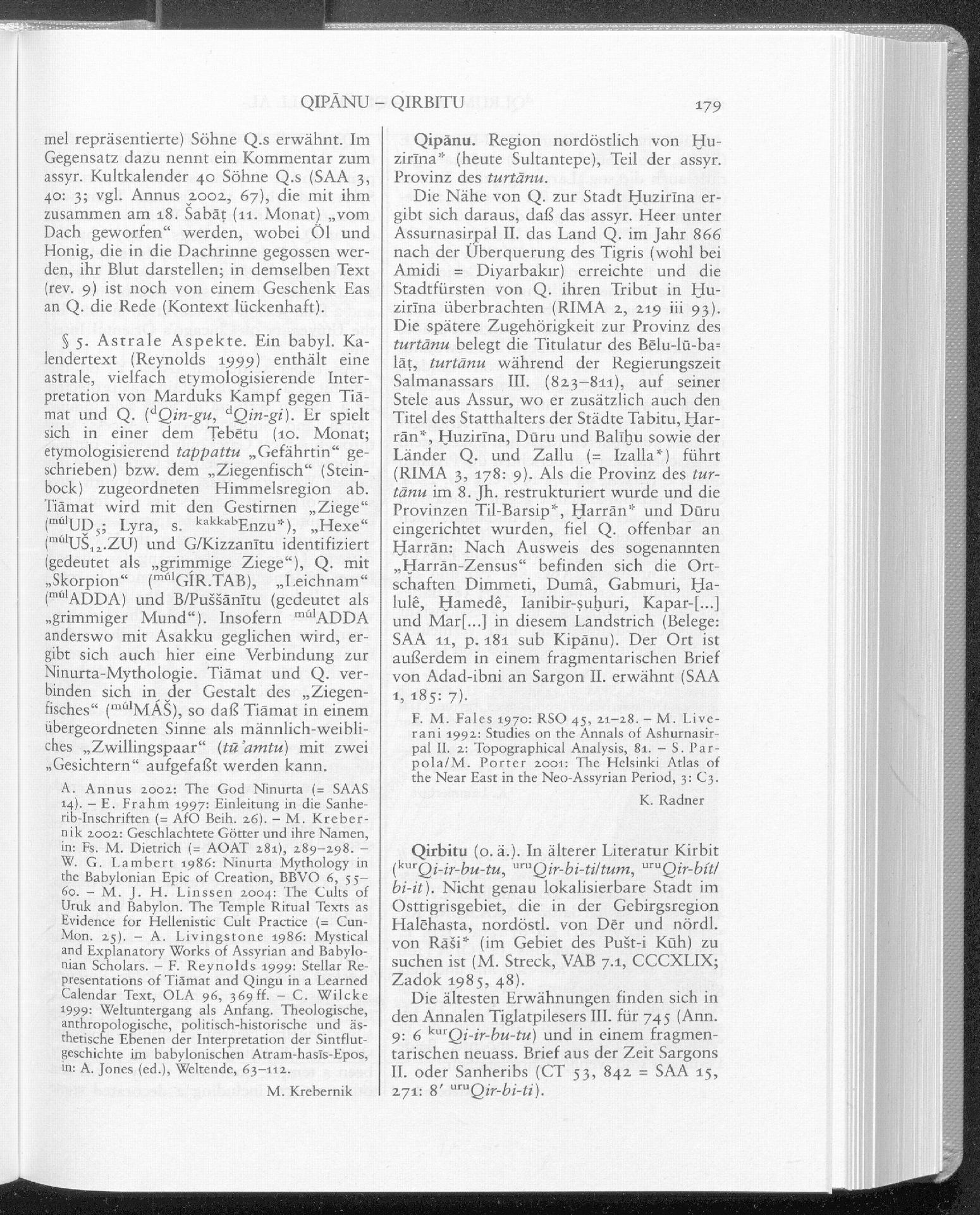
ظل اسم كينغو جارياً في الأدب الديني البابلي والآشوري. ففي القرن السابع قبل الميلاد تعده ترنيمة آشوربانيبال لمردوخ وزربانيتو زوج تيامات، وتضعه بين أعداء مردوخ المهزومين. وهذا يثبت تداول قصته في العصر الآشوري الحديث، لكنه لا يؤرخ أول ظهور للاسم.
ويذكر دليل بابل المعروف بـ«تنتير» لكينغو مقعداً طقسياً اسمه إيشگار في مجمع إيساگيل، معبد مردوخ. وفي نينوى يحفظ اللوح ذو المعرّف الفهرسي K.2727+K.6213 (كاف 2727 زائد كاف 6213)، وهو رقم حديث لا لفظ قديم، تعليمات لفتح قناة وتقديم قرابين له. خسر كينغو الحرب في القصيدة، لكن اسمه بقي في شعائر الماء والمعبد.
الأسرة والصلات
| الاسم | الصلة | موضعها وحدودها |
|---|---|---|
| تيامات | تختاره زوجاً وقائداً | الأول، 147–158؛ يقرأ كريبرنيك وصف تعيينه بين أبنائها على أنه ابن لها، لكن القصيدة لا تسرد ولادته |
| أبسو | زوج تيامات السابق في تسلسل القصة | موته يسبق تعيين كينغو؛ لا يصرح مقطع التعيين بأنه أبو كينغو المباشر |
| مردوخ | خصمه، وصاحب القرار بعد الحرب | الرابع، 119–122 والسادس، 17–30 |
| إيا/إنكي | يُساق الأسير إليه، ويخلق البشر من دمه | السادس، 31–38؛ ينفذ الخلق بحكمة مردوخ |
| آنو | يتلقى لوح المصائر لاحقاً من مردوخ | الخامس، 69–70؛ رتبة «الآنوية» الممنوحة لكينغو سلطة شبيهة برتبة آنو، لا نسب إليه |
| أبناء كينغو | سبعة في تفسير طقسي، وأربعون في آخر | نصوص أخرى يعرضها كريبرنيك؛ لا تعطي أمّاً لهم ولا تصلح لإكمال نسب موحد للملحمة |
تختلف هذه الأخبار باختلاف النص: علاقة الزواج صريحة في خطاب تيامات، أما عدد الأبناء فيرد في تفسيرات شعائر متأخرة، حيث تمثل القرابين الشخصيات.
السرديات الأسطورية الرئيسة
اللوح والمسؤولية
اللوح واحد، لكن المصائر التي يقررها كثيرة؛ فحامله يتكلم كلاماً ملزماً. ويسمي الراوي حيازة كينغو له حيازة لا حق فيها، لكنه لا يشرح كيف وصل اللوح إلى تيامات من قبل. وبعد أن يختمه مردوخ يقدمه إلى آنو. الرابع، 105–122؛ الخامس، 69–70.
ووصف كينغو بالمحرّض يأتي في جواب المجلس بعد الحرب. أما المشهد الذي يسبق انتفاض تيامات فينقل شكوى جماعة من أبنائها، ولا ينسب كلامهم إلى كينغو بالاسم. فتحمل المسؤولية بعد الهزيمة اسماً محدداً، مع أن التحريض الأول صدر عن جماعة غير مسماة. والدم مادة الخلق في هذه الرواية، بخلاف الطين في قصة «إِنْكي وَنِنْماخ».
القراءة الرمزية
يكتسب كينغو السلطة حين يجلس على العرش ويحمل لوح المصائر، ويختم مردوخ اللوح بعد الاستيلاء عليه. فالأمر النافذ مقترن بأداة مكتوبة وبمن يملكها، كما تقترن أوامر الحكم بالعهد والختم. وفي خلق الإنسان تحدد القصيدة نصيبه من العمل والخدمة، ثم تروي أن المعبودات نفسها تصنع آجر بابل وتقيم إيساگيل. يجمع هذا التوزيع بين خدمة الإنسان وبناء المعبد، وتقرأه إعادة القراءة البابلية في ضوء السلطة التي تنظم العمل.
وفي طقس القناة تأمر الترجمة المنشورة بصنع ثلاثة أقراص شمسية من الذهب وإرسالها في الماء لمومّو وكينغو وإيشرت-نبنيسّو، وهو اسم يفسره المحققان بـ«مخلوقاته العشرة». ثم تهيأ مواضع القرابين، ويقدم التمر والدقيق واللحم والجعة، وتذكر الأسماء. يستقبل المجرى الجديد شعيرةً يجتمع فيها الماء والغذاء واسم كينغو. ويرى بارالي وغباي أنها تستدعي أخبار القوى القديمة التي أخضعها إيا ومردوخ؛ فصلة هذه الشعيرة بالملحمة تفسيرهما للأسماء التي يوردها اللوح.
التوازيات عبر الحضارات
تجعل قصة «إنكي وننماخ» نَمّا/نمو تطلب من ابنها إنكي تخفيف عمل المعبودات بصنع بديل عنها. يأمر بعجن طين من سطح أبزو، وتظهر ننماخ مع جماعة يختلف ضبط وصفها في ترجمة السطور التالية، وتفهم عادة في صلة بالولادة. يجتمع النصان عند نقل العمل إلى البشر، ويختلفان في مادة الخلق والمشاركين فيه. وفي «أتراهاسيس» يُقتل وِي في سياق صنع الإنسان، لا كينغو؛ ولهذا تبقى أسماء الضحايا منفصلة بين القصص.
وتفتح مقارنة أنزو مساراً آخر: طائر يستولي على لوح المصائر، ويواجهه نينورتا. الصلة هنا انتقال أداة السلطة واستردادها، لا خلق البشر من الدم. ويعرض كريبرنيك هذا التراث بوصفه من سوابق بناء دور كينغو في الملحمة البابلية.